Why Pruning Matters
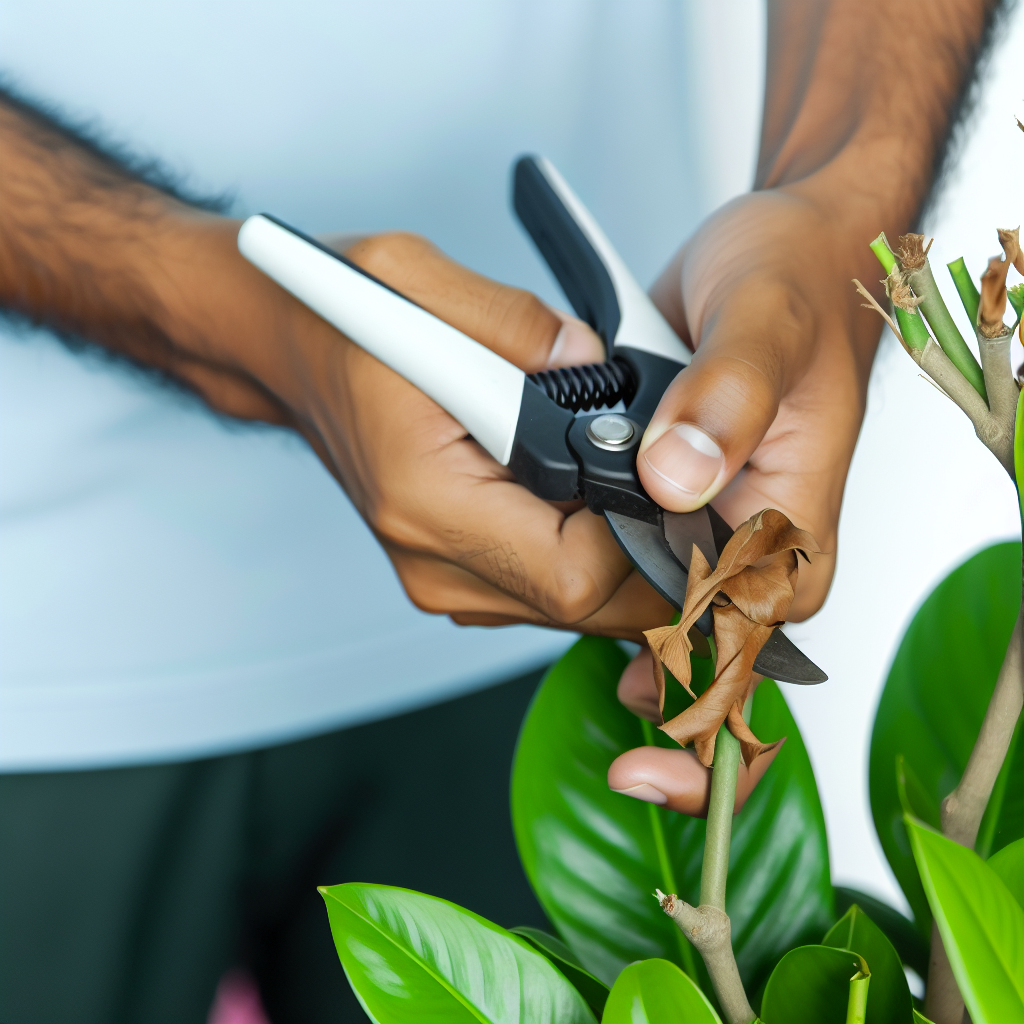
Pruning encourages bushier, fuller growth and helps maintain your plant's shape. It removes dead or diseased foliage that can drain energy and attract pests. Regular pruning also keeps plants at a manageable size for your space.
Pruning Tools and Techniques
Use clean, sharp scissors or pruning shears. Always cut just above a leaf node (where leaves attach to the stem) at a 45-degree angle. Remove yellow, brown, or damaged leaves at the base. For bushier growth, pinch off growing tips to encourage branching.
Regular Maintenance Tasks
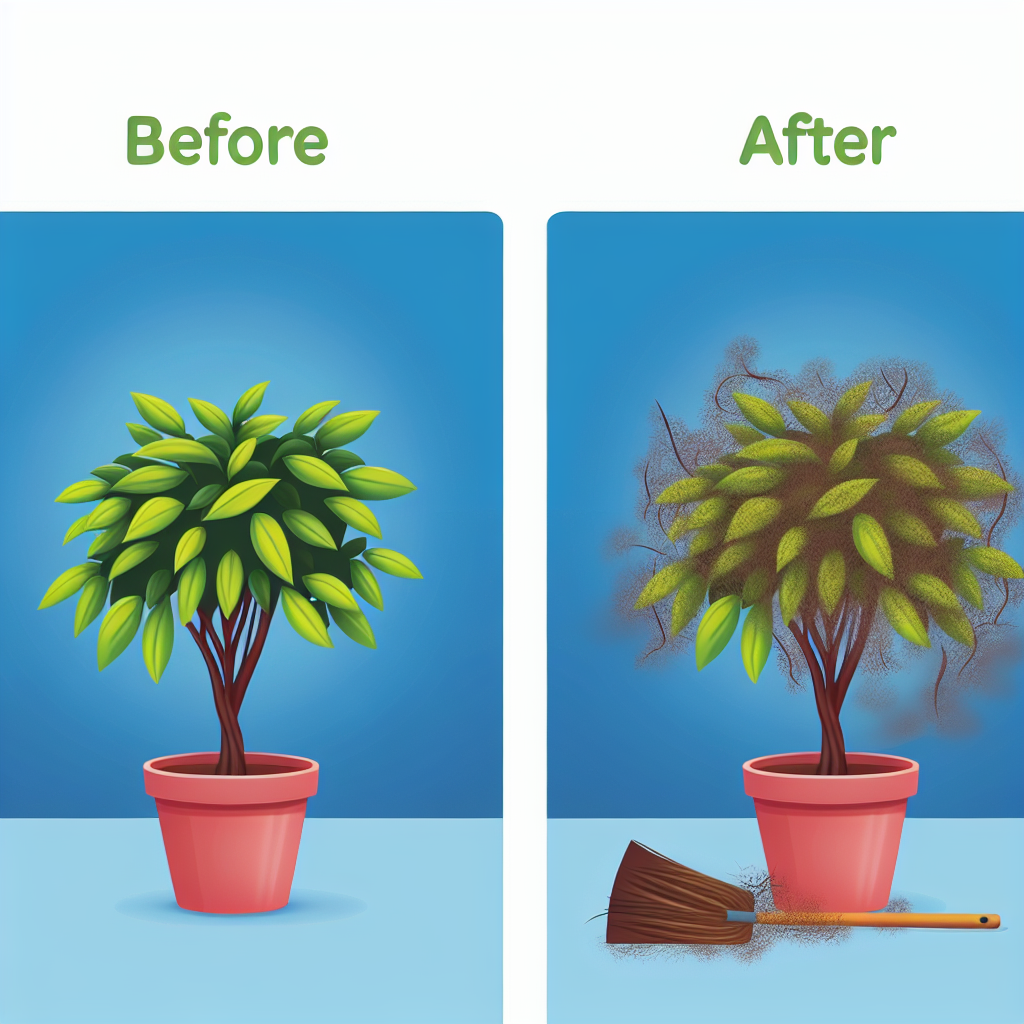
Dust leaves monthly with a damp cloth to maximize light absorption. Rotate plants quarterly for even growth. Check drainage holes to ensure they're not blocked. Remove fallen leaves from soil surface. Inspect plants regularly for pest activity.
When to Prune
Spring is the best time for major pruning as plants enter active growth. However, you can remove dead or damaged leaves anytime. Avoid heavy pruning in fall and winter when plants are dormant. After pruning, reduce watering slightly until new growth appears.