
Choosing the Right Soil
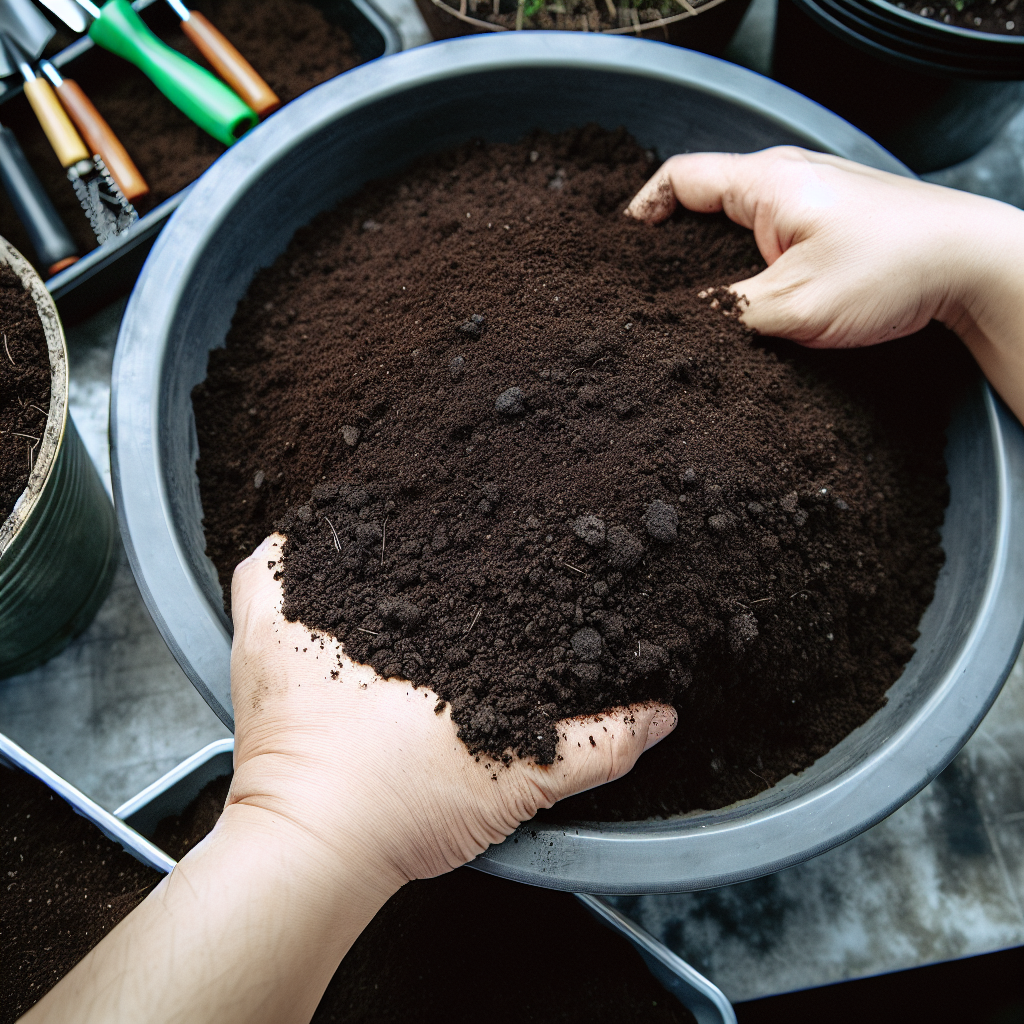
Not all potting soils are created equal. Most houseplants thrive in a well-draining mix that retains some moisture while allowing excess water to escape. Avoid using garden soil indoors as it compacts easily and may contain pests or diseases.
Soil Components
Quality potting mixes typically contain peat moss or coco coir for moisture retention, perlite or pumice for drainage, and vermiculite for nutrient retention. Some plants need specialized mixes - orchids need bark-based media, succulents need gritty, fast-draining soil.
Fertilizer Basics
Plants need three main nutrients: nitrogen (N) for leaf growth, phosphorus (P) for roots and flowers, and potassium (K) for overall health. A balanced fertilizer (like 10-10-10) works for most plants. Feed during the growing season (spring and summer) and reduce or stop in winter.
Fertilizing Tips
Less is more - over-fertilizing can burn roots and damage plants. Always dilute liquid fertilizers to half strength. Water your plant before fertilizing to protect roots. Signs of over-fertilization include brown leaf edges, salt buildup on soil surface, and wilting despite moist soil.